
{:en}
{:}{:es}
[wp_ad_camp_1]
Vamos a hablar un poco sobre el vino de la semana:
Bouchard Père & Fils
Pouilly Fuissé 2013
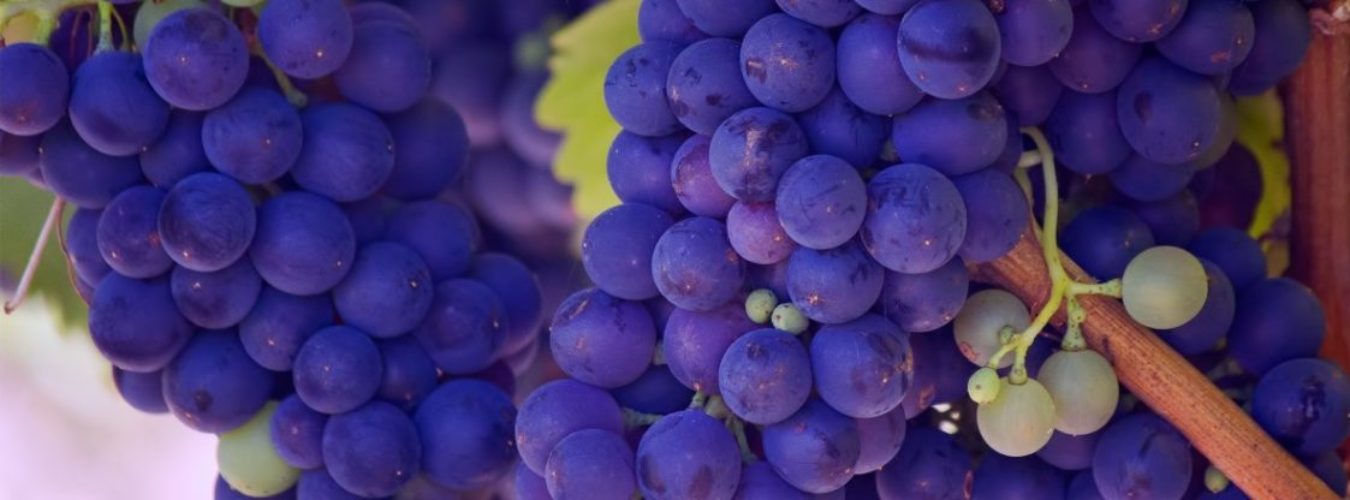
Este vino blanco está elaborado exclusivamente con la uva Chardonnay, en la región de Maçonnais perteneciente a Borgoña.
Es un estupendo vino de color amarillo dorado con reflejos verdes, limpio y brillante, con ricos aromas y sabores a duraznos, almendras y miel rodeados por notas minerales. Después de la fermentación pasa por la maloláctica y tiene ligera crianza en barricas de roble.
La casa Bouchard Père et Fils, creada en 1731, después de 300 años le ha permitido constituir el viñedo más grande de Borgoña y uno de los más reconocidos a nivel mundial. En 1810 compran el Castillo de Beaune y transforman los bastiones en bodega de envejecimiento, siendo el castillo el emblema de toda la región. Los suelos son arcillo- calcáreos sobre camas de rocas fisuradas.
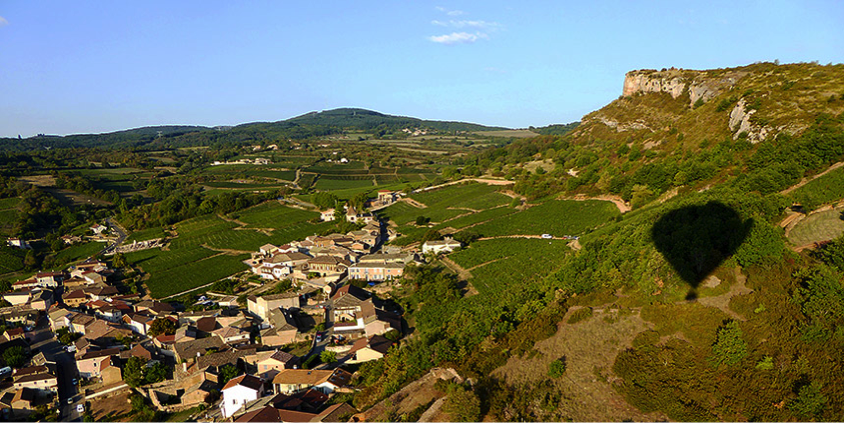
El Mâconnais es un distrito que se encuentra al sur de la Borgoña y el paisaje está dominado por los riscos de Solutré y Vergisson.
El lugar toma su nombre del pueblo Mâcon. Es un distrito de verdes valles en donde se cultiva la uva Chardonnay, base de los vinos blancos de la región. Los vinos de denominan Mâcon o Mâcon-Villages, pero los mejores vinos, llamados Cru, son el Pouilly-Fuissé, el Pouilly-Loché, el Pouilly-Vinzelles y el Saint Veran. De todos estos vinos, la estrella es el Pouilly-Fuissé.
En este sitio se fundó la abadía de Cluny, la mayor y más rica de las instituciones monacales de la Edad Media, perteneciente a la regla de San Benedicto, esto es, a los Benedictinos. Fue fundada en el año 909 por Guillermo I de Aquitania, conde de Auvernia.
En Cluny los monjes estaban liberados del trabajo físico. Los trabajos eran realizados por subalternos contratados. La Orden del Cister se separa de Cluny a finales del siglo Xl para volver a los principios de austeridad de San Benedicto, en especial recuperar el trabajo físico. Fundan la primera abadía de Cister muy cerca de Dijon, en pleno corazón de la Borgoña. En sus bodegas se guardaba vino para los reyes, para los señores feudales y para los Papas.
Las grandes abadías controlaban la tierra, el vino, su distribución y su imagen. Los jefes de las bodegas monásticas vigilaban las viñas, las vendimias, la vinificación y la crianza. Esta actitud de selección de los mejores terrenos, la observación de la adaptación de la vid con su entorno, la paciencia para comprender su evolución con los años y la búsqueda obsesiva de la expresión de la tierra y de la calidad, es lo que hace de la Borgoña el referente mundial en la elaboración de vino.
{:}