{:en}
[wp_ad_camp_1]
[amazon text=oporto books on amazon&asin=http://amzn.to/1SjPJdv]”The port, such as Sherry, is a wine widely imitated but never equaled; the only wine which has the right to be called Port is the Alto Duero wine…”
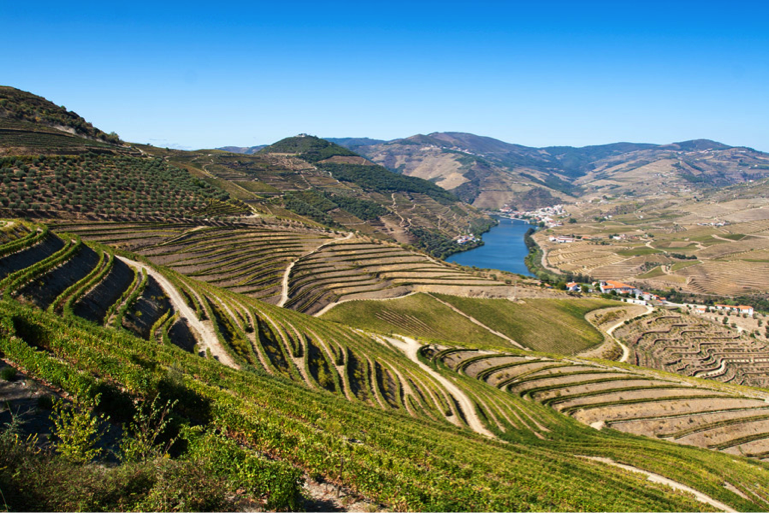
Although “port wine” is made in many places, the only wine which has the right to be called Port is the wine of the upper Duero (Alto Duero), fortified with brandy of Portuguese grapes and distributed from the city of Oporto, that lends its name to the wine. The wine of Portugal was known in England (but not liked) from the year 1308. English merchants, in search of a better wine, traced the Douro River to find an extremely dry and inhospitable region, which stretches from the town of Regua to 96 km towards the border with Spain. This region has the least amount of rain in the North of Portugal. You can not know what led these explorers to styling terraces in the hills of the region for planting the vine, but this way of cultivation remains to the present day. This territory is formed by a kind of crystalline rock breaking and crumbling, in an area consisting mostly of granitic soil.
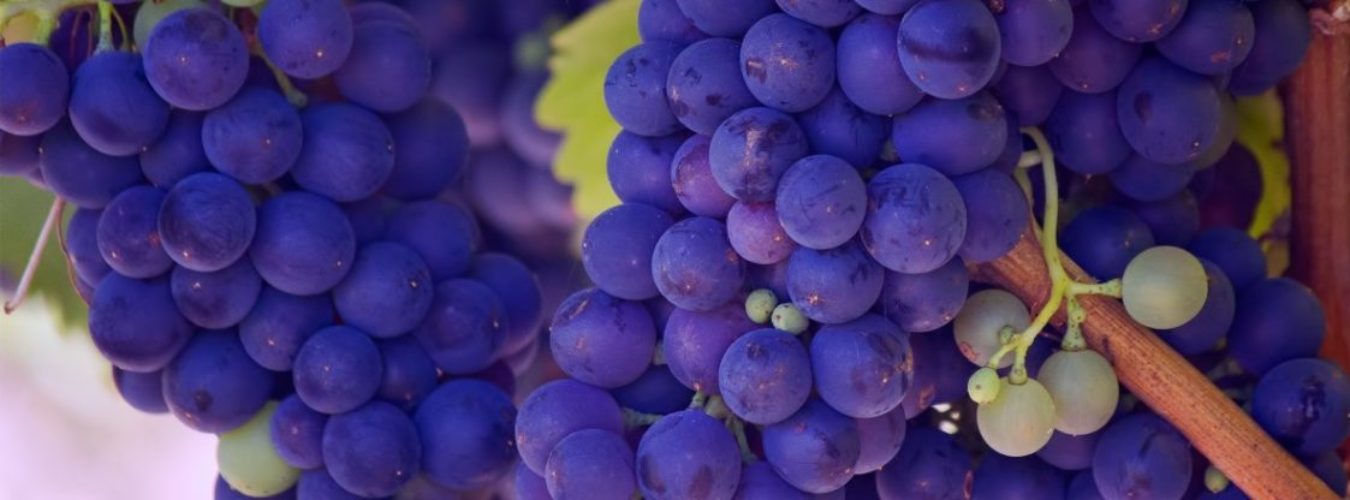
Different varieties of vine grow in this place and have adapted to the extreme heat and little rain. The Touriga Nacional and French, the Tintas Roriz and Barroca are the main, but the Mourisco, the bastard and the Sousão and ink Cao are also used. The Malvasia Fina, the Rabigato and the Codega are used for white port.
It was not until the year 1670 that the Duero wines became sufficient to England and the Methuen Treaty of 1703 (by which the Portuguese wine and English wool were exchanged freely), gave absolute preference. The French Revolution and the Napoleonic wars increased the difficulty to get good French wines and gave it a great advantage to Portugal to export its wines to England. As in other cases, it was seen that Portuguese wines were better if added them a number of brandy to stabilize them and this was the main reason to fortify its wines. This practice stopped fermentation and let the wine with the taste of the British natural sweetness.
Large exporters of Port, still carry the names of the English who initiated the trade in wine, and thus we see brands of the oporto:
Calem, Offley, Gould Campbell, Cockburn, Croft, Delaforce, Dow, Geaham, Robertson, Sandeman, Taylor
and also Portuguese names as:
Fonseca, Ferreira, Silva and Cosens, Quinta de Noval, Ramos Pinto, Barros Almeida and others.
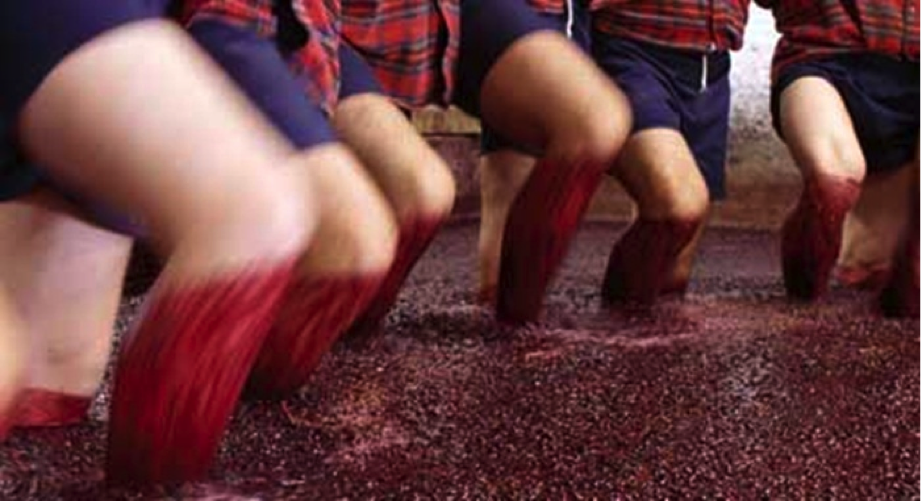
As it is the case with most of the wines, the harvest begins in late September and grapes are transported in large elongated baskets and poured into the winery, where it is still used the treading of grapes, although sometimes treading has changed by the use of the autovinificador.
The process of fermentation is made in large vats of wood that are now gradually being replaced by stainless steel or cement tanks. When the degree of sweetness is reached in the wine it is transferred to large barrels containing brandy, which swiches “off” (i.e. stopped) the fermentation process immediately, resulting in a wine of determined sweetness and alcoholic strength, with a delicate balance between the two. The wine is taken to the “Quintas” which are the wine properties where it rests, and at the beginning of the following year the wine is downstream moved to Porto, or rather, to the suburb of Vilanova de Gaia, located on the other side of the River, opposite Port. Before transporting the casks it was carried out by river in single sail boats called “Rabelo“, but currently is transported in tank trucks or rail, since the construction of dikes along the River, prevents the original transportation.
Today the river is full of speedboats and water skiers.
In Vilanova de Gaia wine matures in old barrels of oak of 600 l. called “pipas“. Young wood is not used because it may change the flavor of the wine.
TYPES OF OPORTO
BLENDS OF WINES FROM VARIOUS CROPS
White port is made from white grapes and is aged in pipes up to 10 years. The alcohol content is around 20 °
They are sweet wines, like all the ports, but some (Ramos-Pinto and Churchil Graham) are made dry, and in this case to indicate it on the label. White port is a colored Topaz, fresh wine and is taken as an aperitif.
The Ruby Port is a young wine, fruit of the mixture of various crops, aged in wood between two to three years, which gives a body between medium and robust, intense red colour and sweet fruity flavour.
The Tawny Port is resulting from the mixture of different vintages and wine that is aged in barrels for one longer time; the wine loses its color and it even acquire a toasted colour, almost ambar.
Aged Tawnies spend more time in barrel and the label shows the time passing through the wood: 10, 20, 30 and 40 years. Prolonged barrel aging confers a shade of Red roasted with amber reflections and the bouquet reminds of dried fruit long barrel gives them and the skin of citrus fruits.
Port of crusted, aged in wood for three years and other three years in the bottle, is a Ruby of great quality that while aging in bottle produces a deposit or crust, so it should be decanted.
MIXTURES OF THE SAME VINTAGE WINES
Vintage port is regarded as the jewel in the Crown of the wines of Oporto, is the only one that matures in the bottle. Produced with grapes of a single vintage, after only two years of aging in barrels, it goes to the bottle, where it will keep getting older and gaining body gradually. It spends 10 to 50 years in the bottle.
Very strong and fruity, with a high concentration of tannins in their youth, it does not reach its full development until age 20. The wine pulls a hastily called crust, so it should be decanted. The Vintage Port is one of the most long-lived wines that exist and should be reserved for special occasions. The Vintage are the only ports that have date and are the best and most fine wines of the region.
Late Bottled Vintage (LBV)
It is a Ruby port of a single year, selected for their high quality and bottled after a period of ageing from four to six years. The majority is ready for consumption at the time of the purchase, but some continue their aging in bottle.
Port LBV presents red intense Ruby colors, has body and is rich in the mouth; It has the distinction of style and personality of a wine of a single vintage. It is a wine with lower cost than the previous, but with similar characteristics.
——————————————————————————————————
The port should be served at room temperature and is taken at the end of the meal in a sufficiently large cup and not in a glass “miniature”. It can serve to accompany the dessert, or it can be taken instead of a liqueur after the coffee.
The oporto, as Sherry. It is a wine widely imitated but never equaled, the only wine that is entitled to be called “Port” is the Alto Douro wine, fortified with brandy and distributed from the city of Oporto, that gives it its name.
[amazon text=Amazon&asin=http://amzn.to/1SjPJdv][amazon text=Amazon&asin=http://amzn.to/1SjPJdv]{:}{:es}
[wp_ad_camp_1]
“El Oporto, como el Jerez, es un vino ampliamente imitado pero nunca igualado; el único vino que tiene derecho a llamarse Oporto es el vino del Alto Duero……..”
Aunque se hace “vino de Oporto” en muchas partes, el único vino que tiene derecho a llamarse Oporto es el vino del Alto Duero, fortificado con brandy de uvas portuguesas y distribuido desde la ciudad de Oporto, åque le presta su nombre al vino. El vino de Portugal era conocido en Inglaterra (pero no gustado) desde el año 1308. Los comerciantes ingleses, en busca de un mejor vino, se remontaron por el río Duero hasta encontrar una región sumamente seca e inhóspita la cual se extiende desde la población de Regua hasta 96 km. hacia la frontera con España. Esta región es la de menor cantidad de lluvia en todo el norte de Portugal. No se puede saber qué llevó a estos exploradores a labrar terrazas en las colinas de la región para sembrar la vid, pero este modo de cultivo permanece hasta nuestros días. Este territorio está formado por una especie de roca cristalina que se rompe y desmenuza, en una zona formada en su mayoría por suelo granítico.
Diferentes variedades de vid crecen en este lugar y se han adaptado al extremado calor y a la poca lluvia. La Touriga Nacional y Francesa, las Tintas Roriz y Barroca son las principales, pero también se utilizan la Mourisco, la Bastardo y la Sousao y la Tinta Cao. La Malvasía Fina, la Rabigato y la Codega se emplean para el Oporto Blanco.
No fue sino hasta el año 1670 que los vinos del Duero llegaron en cantidad suficiente a Inglaterra y el Tratado de Methuen de 1703 (por el cual el vino portugués y las lanas inglesas se intercambiaban libremente), les dio absoluta preferencia. La Revolución Francesa y las Guerras Napoleónicas aumentaron la dificultad para conseguir buenos vinos franceses y le dieron una gran ventaja a Portugal para exportar sus vinos a Inglaterra. Como en otros casos, se vio que los vinos portugueses viajaban mejor si se les añadía una cantidad de brandy para estabilizarlos y esta fue la razón principal para fortificar sus vinos. Esta práctica detenía la fermentación y dejaba el vino con una dulzura natural muy del gusto de los británicos.
Los grandes exportadores del oporto, aún llevan los nombres de los ingleses que iniciaron el comercio del vino, y así vemos las marcas del oporto:
Calem, Offley, Gould Campbell, Cockburn, Croft, Delaforce, Dow, Geaham, Robertson, Sandeman, Taylor
y también nombres portugueses como:
Fonseca, Ferreira, Silva y Cosens, Quinta de Noval, Ramos Pinto, Barros Almeida y otros.
Como sucede con la mayoría de los vinos, la vendimia comienza a fines de septiembre y las uvas se transportan en grandes canastos alargados y se vierten en el lagar, en donde aun se usa el pisado de la uva, aunque a veces el pisado ha cambiado por el uso del autovinificador.
El proceso de fermentación se hace en grandes cubas de madera que en la actualidad poco a poco van siendo remplazadas por tanques de cemento o de acero inoxidable. Cuando el grado de dulzura se ha alcanzado en el vino, se trasvasa a grandes barricas que contienen brandy, el cual “apaga” (esto es, detiene) el proceso de fermentación en forma inmediata, con el resultado de un vino de determinada dulzura y fuerza alcohólica, con un delicado balance entre los dos. El vino es llevado a las “Quintas” que son las propiedades vinícolas donde reposa, y al inicio del siguiente año el vino es trasladado río abajo hasta Oporto, o mas bien, al suburbio de Vilanova de Gaia, situada al otro lado del río, enfrente de Oporto. Antes el transporte de las barricas se llevaba a cabo por vía fluvial, en embarcaciones de una sola vela llamadas “Rabelos”, pero actualmente se transporta en camiones- tanque o por ferrocarril, puesto que la construcción de diques a lo largo del río, impide el transporte original.
Hoy en día el río esta plagado de lanchas rápidas y esquiadores acuáticos.
En Vilanova de Gaia el vino se madura en toneles viejos de roble de 600 l. llamados “pipas”. No se utiliza la madera joven porque puede cambiar el sabor del vino.
TIPOS DE OPORTO
MEZCLAS DE VINOS DE VARIAS COSECHAS
El Oporto Blanco se elabora con uvas blancas y tiene una crianza en pipas de hasta 10 años. La graduación alcohólica es de alrededor de 20º
Son vinos dulces, como todos los oportos, pero algunos (Ramos-Pinto y Churchil Graham) los hacen secos, y en este caso lo indican en la etiqueta. El oporto blanco es un vino de color topacio, fresco y se toma como aperitivo.
El Oporto Ruby es un vino joven, fruto de la mezcla de varias cosechas, envejecido en madera entre dos y tres años, que le confiere un cuerpo entre mediano y robusto, de color rojo intenso y dulce sabor afrutado.
El Oporto Tawny es el vino que resulta de la mezcla de diferentes añadas y que se envejece en barricas durante un tiempo mayor; el vino va perdiendo su color hasta adquirir una tonalidad tostada, casi ámbar.
Los Tawnies añejos pasan en barrica mayor tiempo y la etiqueta muestra la edad que pasan en madera: 10, 20, 30 y 40 años. La crianza prolongada en barrica les confiere un tono rojo tostado con reflejos ambarinos y el bouquet evoca a frutos secos prolongada en barrica les confiere y a la piel de los cítricos.
El Oporto de Costra, envejecido en madera durante tres años y en botella otros tres, es un Ruby de gran calidad que mientras envejece en botella produce un depósito o crust, por lo que deberá ser decantado.
MEZCLAS DE VINOS DE LA MISMA COSECHA
El Oporto Vintage es considerado como la joya de la corona de los vinos de Oporto, es el único que madura en botella. Producido con uvas de una única añada, después de solo dos años de crianza en barrica, pasa a la botella, donde seguirá envejeciendo y ganando cuerpo gradualmente. Pasa de 10 a 50 años en botella.
Muy vigoroso y afrutado, con gran concentración de taninos en su juventud, no alcanza su pleno desarrollo hasta cumplir 20 años. El vino tira un precipitado llamado crust, por lo que debe ser decantado. El Oporto Vintage es uno de los vinos más longevos que existen y debe reservarse para las grandes ocasiones. Los Vintage son los únicos oportos que tienen fecha y son los mejores y mas finos vinos de la región.
Oporto Vintage de Embotellado Tardío
Late Bottled Vintage (LBV)
Es un Oporto Ruby de un solo año, seleccionado por su elevada calidad y embotellado tras un período de envejecimiento de entre cuatro a seis años. La mayoría está lista para su consumo en el momento de la compra, pero algunos continúan su envejecimiento en botella.
El Oporto LBV presenta colores rojos rubí intenso, posee cuerpo y es rico en la boca; tiene la particularidad de estilo y personalidad de un vino de una sola añada. Es un vino de menor costo que el anterior, pero con características parecidas.
——————————————————————————————————
El oporto debe servirse a la temperatura ambiente y se toma al final de la comida en una copa suficientemente grande y no en una copita “miniatura”. Puede servir para acompañar el postre, o bien, se puede tomar en lugar de un licor después del café.
El oporto, como el jerez. Es un vino ampliamente imitado pero nunca igualado, el único vino que tiene derecho a llamarse “Oporto” es el vino del Alto Duero, fortificado con brandy y distribuido desde la ciudad de Oporto, que le da su nombre.
[amazon text=Amazon&asin=http://amzn.to/1SjPJdv]{:}