{:en}
[wp_ad_camp_1]
The best aperitifs are bitter because they stimulate gastric secretion and promote digestion.
In Mexico it is very common to take three or four tequilas before eating. The reason seems to be that one should numb the palate and taste buds of the tongue before moving on to the table.
If one wants to take strong alcoholic beverages outside meals, one can take anything, what you like, but if one wants to prepare the mouth and the stomach for food, then one should be subjected to rules that do not prevent enjoy foods, but on the contrary, enhance the taste perception thereof.
As a rule, the drinks before the meal must be cool or cold. After a day of hard work and worries, a glass of chilled white wine or vermouth with ice, it is a good start to a meal.
Drink Sherry is universally accepted as the best appetizer. Like all white wines should be served chilled, particularly dry sherries as “thin” and “chamomile”.
Chamomile is a very pale, dry sherry, with a slightly bitter and salty taste, because the wineries of Sanlucar de Barrameda are to the sea at the mouth of the Guadalquivir River. The fine, the king of sherries, is light and delicate bouquet with almond and olive smell. It is pale in color and is the perfect appetizer. The amontillado sherry is amber and nutty bouquet, which has more body and is slightly sweet. The most sweet sherries are not the best to take as aperitifs.
The port, always a sweet wine, is not to be taken before meals. However there is one exception being that very cold, almost icy white port, is a good choice. Dry madeira can be excellent appetizers.
The white wines are suitable to take them as aperitifs. Of those, the best are sparkling. The champagne is sparkling par excellence, but there are almost as good: the Alsace and Burgundy Cremant, the Blanquette de Limoux, Spanish cava, the “sekt” Germans, Italians proseccos, and many different countries, including the Mexican Sala vivé of Queretaro. The reason sparkling so popular is that the carbon dioxide bubbles that form, causes alcohol to be absorbed more quickly, producing a state of euphoria we all know. Some have been used as aperitif champagne cocktails, such as “Mimosa” with orange juice. I believe this combination is a way of spoiling two very good drinks. The champagne must be taken as it is.
Another group of wines, not being sparkling form bubbles. The best example is the so-called green vinhos Portugal, the northern Italian Soave and Roman Frascati. The French call them petillant and Italian frizzante.
The still white wines, that is, without bubbles, they are a good aperitif and can be carried to the table to consume with the first course. The US chardonnays, sauvignon blanc from New Zealand, the German riesling and Mexican viogner LA Cetto can be very cold before going to the table.
Red wines are not used as aperitifs, although there is an exception: the Beaujolais Nouveau makes its appearance in November and to be consumed within the first six months. It is a light and attractive wine when taken cold, but has the disadvantage that can not be indicated when it plans to continue with a white wine.
Rosé wines can also be taken as aperitifs. Most have a bit of sweetness, but very cold can be delicious, especially in summer, a meal outdoors in the garden or on the beach. Instead of taking cold beers, try taking a rose wine. Portuguese rosé wines also have a little bubble and are light and cheerful. The best rosé wines are those produced in the south of France, in the region of Vaucluse. The Tavel is a wine with more body color and pink ordinary wines. The Lirac is similar. There are excellent wines in the Loire Valley in France: the best known is the Rosé d’Anjou, but the Cabernet Rosé and Cabernet d’Anjou are better.
Sometimes white wine can be mixed with other ingredients that may improve the taste. The best known example is the call on behalf of gourmet Kir was mayor of Dijon, Canon Felix Kir. This mixture, also called Blanc Cassis, was done using three parts white wine and a part of cassis liqueur, so give some color and some white wine in sweetness. If champagne is used, then it called Kir Royale. Sometimes you can make preparations with wine, fruit and liquor, for poches cold, very suitable for meals in the garden or field. One can use their own judgment to make these mixtures.
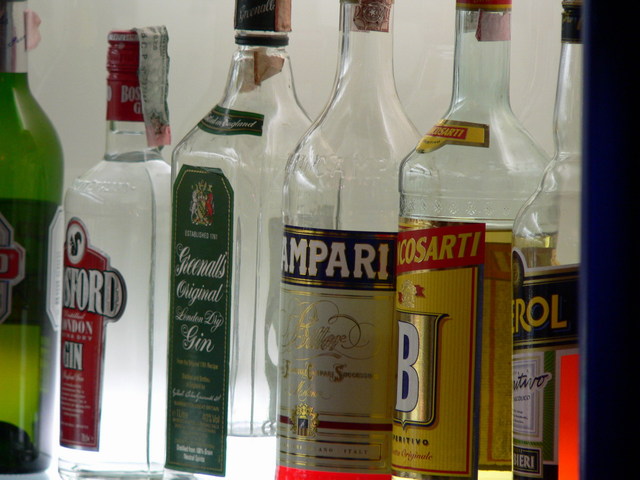
Finally, there are prepared wines (usually with herbs), which are very popular all over the world. Perhaps the best known is the vermouth, white or red, dry or semi-sweet. Other times are preferred compounds of wine with bitter tastes that increase saliva secretion and gastric and prepare for proper digestion. Within these, the best known in our country is the Campari. We also have the Punt e Mes, the Dubonnet, Lillet and San Raphael.
Liqueurs have to take them after dinner; Never before.
{:}{:es}
[wp_ad_camp_1]
Los mejores aperitivos son los amargos, porque estimulan la secreción gástrica y favorecen la digestión.
En México es muy común tomar tres o cuatro tequilas antes de comer. La razón parece ser que debe uno anestesiar el paladar y las papilas gustativas de la lengua antes de pasar a la mesa.
Si quiere uno tomar bebidas alcohólicas fuertes, fuera de las comidas, puede uno tomar lo que sea, lo que más le guste, pero si quiere uno preparar la boca y el estómago para recibir comida, entonces debe uno someterse a ciertas reglas que no impiden disfrutar los alimentos, sino, por el contrario, mejoran la percepción y el sabor de los mismos.
Por regla general, las bebidas antes de la comida deben ser frescas o frías. Después de un día de trabajo pesado y de preocupaciones, una copa de vino blanco enfriado, o de vermouth con hielo, es un buen comienzo para una comida.
El jerez es la bebida aceptada universalmente como el mejor aperitivo. Como todos los vinos blancos se debe servir bien frío, particularmente jereces secos como el “fino” y la “manzanilla”.
La manzanilla es un jerez muy pálido y seco, con un sabor ligeramente amargo y salado, debido a que las bodegas de Sanlúcar de Barrameda se encuentran a la orilla del mar, en la desembocadura del río Guadalquivir. El fino, el rey de los jereces, es ligero y delicado, con un bouquet almendrado y olor de aceitunas. Es de color pálido y constituye el perfecto aperitivo. El amontillado es un jerez de color ámbar y de bouquet de nuez, que tiene más cuerpo y es ligeramente dulce. Los jereces de mayor dulzura no son los mejores para tomar como aperitivos.
El oporto, siempre un vino dulce, no es para tomarse antes de las comidas. Sin embargo hay una excepción que es el oporto blanco, que bien frío, casi helado, es una buena opción. Los madeira secos pueden ser excelentes aperitivos.
Los vinos blancos son adecuados para tomarlos como aperitivos. De ellos, los mejores son los espumosos. El champagne es el espumoso por excelencia, pero hay otros casi tan buenos: los cremant alsacianos y de Borgoña, el Blanquette de Limoux, los cava españoles, los “sekt” alemanes, los proseccos italianos, y otros muchos de diferentes países, incluyendo el mexicano Sala Vivé de Querétaro. La razón de que los espumosos sean tan populares es que el anhídrido carbónico, que forma las burbujas, hace que el alcohol se absorba más rápidamente, produciendo el estado de euforia que todos conocemos. Algunos han utilizado como aperitivos los cocteles de champagne, como la “Mimosa”, con jugo de naranja. Creo que esta combinación es una forma de echar a perder dos muy buenas bebidas. El champagne debe tomarse tal como es.
Hay otro grupo de vinos, que no siendo espumosos, forman burbujas. El mejor ejemplo lo tenemos en los llamados vinhos verdes de Portugal, el Soave del norte de Italia y el Frascati romano. Los franceses les llaman petillant y los italianos frizzante.
Los vinos blancos quietos, esto es, sin burbujas, constituyen un buen aperitivo y pueden llevarse a la mesa para consumirlos con el primer platillo. Los chardonnays de EEUU, los sauvignon blanc de Nueva Zelanda, los riesling alemanes y el viogner mexicano de L.A. Cetto pueden tomarse bien fríos antes de pasar a la mesa.
Los vinos tintos no se utilizan como aperitivos, aunque hay una excepción: el Beaujolais Noveau que hace su aparición en noviembre y que hay que consumir dentro de los primeros seis meses. Es un vino ligero y atractivo cuando se toma frío, pero tiene el inconveniente que puede no ser lo indicado cuando se piensa seguir con un vino blanco.
Los vinos rosados también pueden tomarse como aperitivos. La mayor parte tienen un poco de dulzor, pero muy fríos pueden ser deliciosos, sobre todo en verano, en una comida al aire libre, en el jardín o en la playa. En lugar de llevar cervezas heladas, pruebe tomar un vino rosado. Los vinos rosados portugueses tienen, además, un poco de burbuja y son ligeros y alegres. Los mejores vinos rosados son los que se elaboran en el sur de Francia, en la región de las Bocas del Ródano. El Tavel es un vino con más color y cuerpo que el común de los vinos rosados. El Lirac es parecido. Hay excelentes vinos rosados en el valle del Loire en Francia: el más conocido es el Rosé de Anjou, pero el Rosé de Cabernet y el Cabernet d’Anjou son mejores.
En ocasiones el vino blanco se puede mezclar con otros ingredientes que pueden mejorar su sabor. El ejemplo más conocido es el llamado Kir en nombre del gastrónomo que fue Alcalde de Dijon, Canon Félix Kir. Esta mezcla, también llamada Blanc Cassis, se hace con cuatro partes de vino blanco y una parte de licor de cassis, de modo de darle algo de color y algo de dulzor al vino blanco. Si se emplea champagne, entonces se llama Kir Royale. A veces se pueden hacer preparaciones con vino, frutas y licores, para hacer poches fríos, muy apropiados para las comidas en el jardín o en el campo. Puede uno utilizar su propio criterio para hacer estas mezclas.
Por último, hay vinos preparados (generalmente con yerbas), que son muy populares en todo el mundo. Quizás el más conocido sea el vermouth, blanco o tinto, seco o semi-dulce. Otras veces se prefieren compuestos de vino con sabores amargos, que aumentan la secreción salival y gástrica y preparan para una buena digestión. Dentro de estos, el más conocido en nuestro medio es el Campari. También tenemos el Punt e Mes, el Dubonnet, el Lillet y el San Raphaël.
Los licores habrá que tomarlos después de la comida; nunca antes.
{:}